Avoid hidden charges in Balham rubbish collection
Posted on 11/10/2026
Nothing sours a simple clear-out faster than a bill that suddenly grows teeth. You book a rubbish collection in Balham, expect a fair price, then the extras start creeping in: loading fees, access surcharges, minimum weight charges, disposal add-ons. If that sounds familiar, you are not alone. The good news is that you can avoid hidden charges in Balham rubbish collection with a bit of know-how, the right questions, and a proper look at what is included before anyone turns up at the door.
This guide breaks the process down in plain English. You will learn how pricing usually works, where sneaky costs tend to hide, which questions to ask, and how to compare quotes without getting lost in small print. We will also cover local best practice, common mistakes, and a few real-world habits that save money without cutting corners. To be fair, most surprise charges are avoidable once you know what to look for.
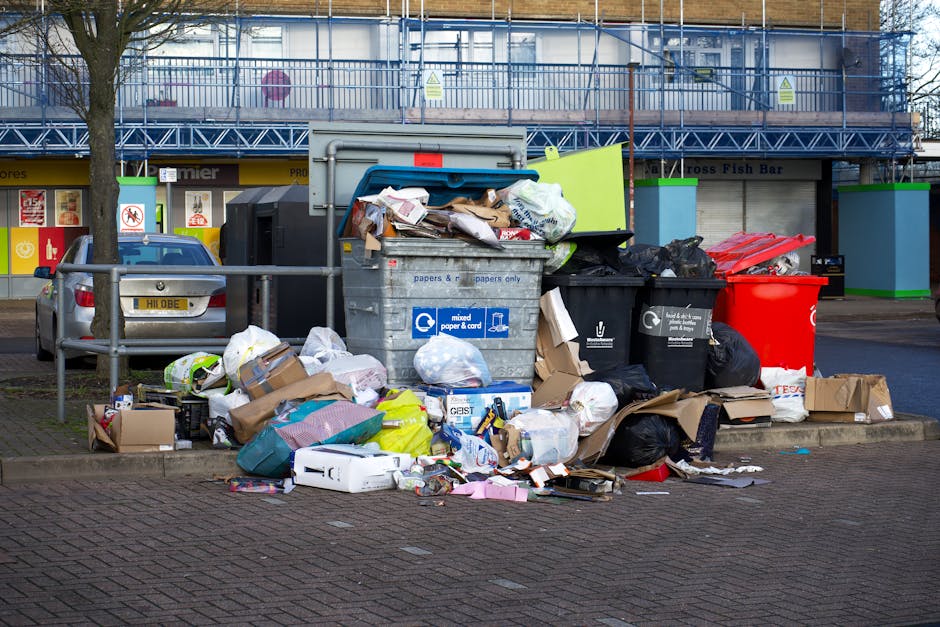
Why Avoid hidden charges in Balham rubbish collection Matters
Hidden charges are not just annoying. They make it harder to compare services fairly, and they can turn a tidy budget into a messy one very quickly. In a place like Balham, where people often arrange clear-outs around moves, refurbishments, end-of-tenancy deadlines, or weekend family jobs, predictability matters. You need to know what you are paying for before the collection team arrives, not after the van is loaded and the invoice lands.
There is another angle too. When pricing is vague, people tend to focus only on the headline number. That can lead to rushed decisions. One company looks cheaper on paper, but the final bill tells a different story. Another may seem slightly higher yet include labour, disposal, loading time, and access checks. The second option may actually be better value. That is the trap: cheap and clear are not always the same thing.
It also helps to think about trust. A good rubbish collection service should be straightforward about how costs are calculated. If terms are unclear, it is fair to pause. What exactly is covered? Is there a minimum charge? What happens if the pile is larger than expected? These are normal questions, not awkward ones. Frankly, if a provider is irritated by them, that tells you quite a lot.
Practical takeaway: the safest way to avoid hidden charges is to treat every quote as a list of inclusions, exclusions, and assumptions. If any of those are fuzzy, ask for clarification before booking.
How Avoid hidden charges in Balham rubbish collection Works
Most rubbish collection services price jobs using a mix of volume, weight, labour, access, and waste type. In plain terms, they estimate how much junk you have, how awkward it is to remove, and what it will cost to dispose of properly. The exact method varies, but the logic is usually the same.
For example, a few broken chairs and a small mattress on the ground floor is one thing. A loft full of mixed household clutter accessed by narrow stairs is another. The second job takes more time, more lifting, and often more sorting. That does not mean you should be hit with surprise fees, but it does mean the quote should reflect the real job.
The hidden-charge problem appears when one or more details are not disclosed clearly enough at the start. Common examples include:
- extra labour for carrying items down stairs
- fees for parking, waiting, or difficult access
- charges for heavy materials or dense loads
- extra disposal costs for certain items
- minimum load thresholds that are not obvious
- weekend, evening, or same-day premiums
Some providers will ask for photos before quoting. That is often a good sign, because it reduces guesswork. Others may quote loosely over the phone and then adjust on arrival. That can be fine if the rules are clear. It is less fine if the rules are only explained once the van is in your driveway and the work has already started. You see the problem.
If you are comparing broader waste services rather than one-off clear-outs, it can help to review a provider's services overview and the way they handle pricing and quotes. Those pages usually tell you a lot about how transparent the business is before you even get to the booking stage.
Key Benefits and Practical Advantages
Keeping pricing transparent is not just about avoiding frustration. There are genuine practical benefits.
- Better budgeting: you can plan around a known total instead of guessing.
- Fair comparisons: like-for-like quotes become easier to judge.
- Less stress on collection day: no awkward conversations at the kerbside.
- Fewer disputes: everyone knows what was agreed in advance.
- More efficient service: the crew can work from accurate information, which saves time.
- Better value overall: a clear quote can be more cost-effective than a seemingly cheap one.
There is also a subtle but real benefit: you become a better customer. Not in a fussy way. Just more informed. You know what to ask, what to expect, and where the risk points are. That usually leads to a smoother collection and a better finish to the whole job. Nobody wants a half-hour discussion on the pavement in Balham while the clock ticks, honestly.
If the waste is mixed, bulky, or a little more involved, it can help to understand the relevant service in advance. For instance, removing an old sofa, dismantled wardrobes, or broken white goods often has different handling requirements. Checking pages like furniture removal in Balham, white goods and appliance disposal, or builders waste disposal can help you understand what type of job you actually have on your hands.
Who This Is For and When It Makes Sense
This advice matters if you are a homeowner, tenant, landlord, letting agent, shop owner, contractor, or anyone else arranging waste removal in Balham. It is especially useful when the job is not tiny and obvious. A single bin bag is simple. A loft clearance, a post-renovation tidy-up, or a house clearance is where pricing can get interesting in a hurry.
It also makes sense if you are moving house or clearing a property on a deadline. These jobs are time-sensitive, and time pressure is where people usually accept vague quotes they would normally question. That is understandable. Still, you do not want to rush into an agreement just because the calendar is tight.
Typical situations include:
- end-of-tenancy clear-outs
- garage, shed, or loft decluttering
- garden waste after pruning or landscaping
- office or shop clearance
- bulky item disposal after new furniture arrives
- builders rubbish after a small refurbishment
Sometimes the need is emotional as much as practical. Clearing a family home can be a bit of a milestone, and the last thing you want is a confusing bill at the end of an already long day. A clear quote and an honest scope make the whole experience much easier to manage.
Step-by-Step Guidance
Here is the simplest way to avoid hidden charges in Balham rubbish collection without overthinking it.
- List what needs removing. Be specific. "Some junk" is not enough. Break it down into furniture, bags, appliances, garden waste, or construction debris.
- Take clear photos. Include wide shots and close-ups. Good photos help the provider judge volume and access more accurately.
- Explain access properly. Mention stairs, narrow hallways, basement access, parking issues, lift availability, or anything awkward.
- Ask what is included. Labour, loading, disposal, VAT, congestion or parking issues, and any sorting should be covered in the answer.
- Ask what could increase the price. This is the key question. If there are any triggers for extra cost, get them named in advance.
- Confirm the waste type. Mixed waste, electrical items, heavy materials, and special items may be priced differently.
- Request written confirmation. A text or email summary is far better than relying on memory.
- Check timing and attendance terms. Same-day, weekend, or out-of-hours collections can change the price.
- Compare more than one quote. Do not just compare the final number. Compare the inclusions.
- Review the final bill before payment. If something looks off, ask for a breakdown before you pay.
That may sound like a lot, but once you do it once, it becomes second nature. And it saves more stress than most people expect. Truth be told, the best quote is often the one with fewer surprises rather than the one that looks cleverest on a banner.
Expert Tips for Better Results
Over time, a few habits make a big difference.
1) Give the ugliest version of the truth. If access is awkward, say so. If the pile may grow by a few bags before collection day, mention that too. People often understate the job because they want a lower price, but that usually backfires. A slightly cautious quote is better than an on-site revision.
2) Separate items before booking. If you can keep furniture, white goods, garden waste, and general rubbish apart, it becomes easier to price and may reduce time on site. You do not need to turn your hallway into a sorting centre. Just a little order helps.
3) Ask whether the quote is fixed or estimated. Those two words are not the same. A fixed quote should mean the price is agreed if the job matches the description. An estimate may move. That is fine, as long as you know before booking.
4) Check for disposal inclusions. Sometimes the real extra charge hides in disposal rather than collection. Ask whether the fee includes lawful disposal at the appropriate facility and whether certain materials cost more.
5) Keep a record. Save the message thread, quote, and any agreed changes. It takes seconds and can spare a lot of back-and-forth later.
A tiny bit of organisation goes a long way here. Not glamorous, but effective. Like remembering where you put the keys.
Common Mistakes to Avoid
People usually do not get caught out because they are careless. They get caught out because the job seemed straightforward and the quote felt reassuring. That is exactly why hidden charges are annoying.
- Accepting a quote without asking what is included. "All in" should be explained, not assumed.
- Ignoring access details. Stairs and parking can matter a lot more than people think.
- Forgetting item types. Mattresses, fridges, and construction waste may be handled differently.
- Not checking minimum charges. A small load can sometimes cost more than expected if the provider has a threshold.
- Assuming the quote covers everything. It may not include labour, sorting, or waiting time.
- Choosing only by lowest price. Low headline numbers can hide awkward extras.
- Not confirming amendments. If the pile grows, make sure the updated price is agreed before collection.
One common real-world scenario: someone books a collection for a few items, then adds a pile of renovation waste the night before. If that change is not disclosed, the crew may arrive expecting one job and find another. That is where friction starts. Easy to avoid, a bit annoying when it happens.
Tools, Resources and Recommendations
You do not need fancy software to avoid hidden charges. A phone camera and a notes app are usually enough. Still, a few practical tools help.
| Tool or approach | Why it helps | Best used for |
|---|---|---|
| Photos of the waste | Reduces guesswork and supports accurate pricing | Most collections, especially bulky jobs |
| Written quote summary | Creates a record of what was agreed | Any job where price clarity matters |
| Simple item list | Helps separate furniture, appliances, and general rubbish | Mixed or larger clear-outs |
| Access notes | Flags stairs, parking, or tight spaces early | Flats, basements, and busy streets |
| Comparison checklist | Makes quotes easier to compare fairly | When you have two or more options |
If you want a broader sense of the company before booking, useful pages such as about us, insurance and safety, and payment and security can tell you how seriously a business treats transparency and customer confidence. That matters more than people sometimes admit. You want the admin to feel as safe as the collection itself.
If sustainability matters to you, it is also sensible to ask how items are sorted and diverted from landfill where possible. A provider that explains its approach to recycling and sustainability is usually thinking a bit further ahead than just "load it and go."
Law, Compliance, Standards and Best Practice
Waste collection in the UK sits within a framework of legal duties and responsible handling. You do not need to become a compliance expert to book a collection, but you should expect any legitimate operator to follow proper waste carrier and disposal practices.
A few practical points matter here:
- Waste should be handled by a legitimate carrier. This helps reduce the risk of fly-tipping and improper disposal.
- Documentation should be clear. You should know who is collecting the waste and under what terms.
- Pricing should not hide material assumptions. If a job depends on a certain access route, item type, or weight band, that should be stated.
- Special items may need special handling. Electrical appliances, heavy materials, and some commercial waste streams can involve different rules or costs.
That is where a page like waste carrier licence and compliance becomes useful. It is not just a box-ticking detail. It helps you separate proper operators from the ones who might offer a tempting price and then make everything else someone else's problem.
Best practice is simple: ask for clarity, keep records, and avoid any arrangement that feels vague or rushed. If a provider will not explain the basis of a charge, that is a warning sign. Not always a red flag, but definitely a yellow one.
Options and Comparison Table
Different collection approaches suit different jobs. Comparing them properly can help you avoid hidden charges because you understand where costs are more likely to appear.
| Option | Best for | Strengths | Watch out for |
|---|---|---|---|
| Small curbside collection | A few bags or small items | Simple and quick | May not suit bulky or heavy waste |
| Bulky item pickup | Sofas, wardrobes, mattresses | Handles awkward objects | Access and labour fees may apply |
| Full property clearance | Homes, flats, probate, end-of-tenancy | Comprehensive and efficient | Scope must be clearly defined |
| Builders waste collection | DIY and renovation debris | Good for heavy mixed loads | Weight and material type matter |
| Garden waste removal | Green waste and outdoor clear-outs | Can be tidy and quick | Soil, timber, and mixed waste may cost more |
If your job sits between categories, ask for the provider's recommendation rather than guessing. For example, a garage clear-out with both boxes and old furniture is not the same as a simple domestic bag collection. The wrong service choice can create a pricing mismatch before the van even arrives.
Case Study or Real-World Example
Here is a realistic example. A Balham resident is clearing out a flat before a move. There are two bookcases, a disassembled bed frame, several bags of mixed rubbish, and an old microwave. The flat is on the second floor, no lift, and parking outside is limited.
If the resident simply asks, "How much to collect some rubbish?", the answer may be too vague to trust. But if they send photos, explain the stairs, mention parking, and list the items, the quote becomes much more precise. The provider can then decide whether it is a standard domestic collection, a furniture removal job, or a mixed-load clearance.
In a better-run process, the resident receives a written summary that says what is included: labour, loading, disposal, and the agreed number of items. If parking permissions or additional items are likely to change the price, that is stated before arrival. No drama, no awkwardness.
That is the model to aim for. Not perfect. Just clear. And clear is usually enough.
For a job like this, it also helps to look at related services such as house clearance in Balham or domestic waste collection so you understand which service level fits the job. The wrong label can lead to the wrong quote, and then everyone wastes time.
Practical Checklist
Use this before you confirm any rubbish collection booking.
- Have I listed every item that needs removing?
- Have I sent clear photos from enough angles?
- Have I explained stairs, parking, and access issues?
- Do I know whether the quote is fixed or estimated?
- Have I asked what could trigger extra charges?
- Do I understand whether labour and disposal are included?
- Have I confirmed whether VAT or other fees are part of the price?
- Is the waste type correctly described?
- Have I got the quote in writing?
- Do I know what happens if the load changes on the day?
- Have I checked the provider's compliance and safety information?
If you can tick most of those off, you are in a much stronger position. Not every booking needs a mini audit, but a few careful checks can prevent a lot of irritation later.
Conclusion
Avoiding hidden charges in Balham rubbish collection is mostly about clarity, preparation, and calm questions. You do not need specialist knowledge. You just need a proper item list, honest access details, and a quote that spells out what is included. The more clearly you describe the job, the less room there is for surprise costs.
That is the real secret, if there is one. Compare the full offer, not just the headline price. Ask about exclusions. Keep the conversation in writing. And if a quote feels too vague, trust that instinct a little.
Get a free quote today and see how much you can save.
When the pricing is transparent, the whole job feels lighter. Less stress, fewer surprises, and one less thing hanging over the day. Nice, really.